Love Flower: A Handwritten Font for Authentic Design
There’s a certain magic in a font that feels genuinely human. In a digital landscape often dominated by clean sans serifs and authoritative serifs, a handwritten font like Love Flower offers a refreshing whisper of personality. It’s not just a typeface; it’s an invitation to connect. This premium font captures the charming imperfection of casual penmanship, making it a versatile design asset for anyone looking to inject warmth and authenticity into their work.
Beyond Pretty Letters: The Visual Character of Love Flower
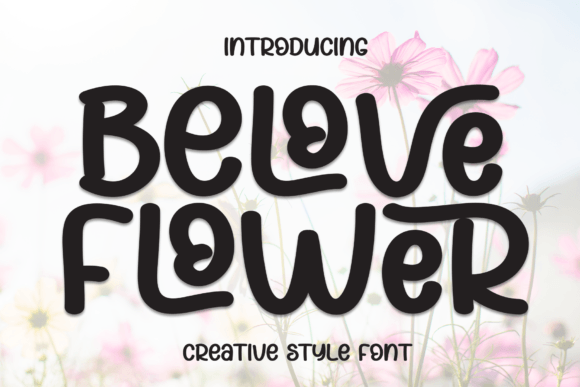
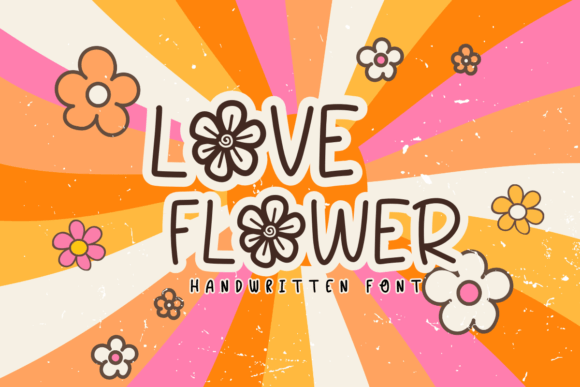
At first glance, Love Flower presents as a cute handwritten font. Its letters flow with a gentle, rounded rhythm, avoiding the sharp edges of more formal scripts. The slight variations in baseline and letterform size are intentional—they mimic the natural pressure and flow of a hand holding a pen. This gives it an approachable, friendly personality that feels more like a personal note than a corporate statement. It’s a script font that prioritizes legibility over elaborate flourishes, making it surprisingly functional. The overall appeal lies in its balance: it’s decorative enough to be interesting, yet clear enough to be used in smaller blocks of text, especially where a personal touch is paramount.
Where Love Flower Truly Shines: Practical Applications
The true test of any creative font is its real-world application. Love Flower excels in projects where connection and warmth are key. Think of the personal touch it adds to greeting cards and stationery, turning a simple "Thank You" into something heartfelt. For diary entries or taking notes, it transforms mundane text into a charming keepsake. But its utility extends far beyond the personal realm.
For entrepreneurs and small business owners, this typeface can be a strategic brand identity tool. Imagine it on packaging design for artisanal goods, on mugs with witty sayings, or on shirts for a casual clothing line. It communicates approachability and craftsmanship. In editorial design, it can create striking pull quotes or section headers in magazines and blogs. For social media graphics, it cuts through the noise with its personal, human feel, making posts for lifestyle brands, cafes, or handmade shops feel more authentic and engaging. It’s a fantastic display font for banners and content where you want to grab attention with a soft, inviting aesthetic.
Strategic Implementation: Using Love Flower Effectively
Choosing a font is a design decision with tangible consequences for visual hierarchy, readability, and brand perception. Here’s how to leverage Love Flower thoughtfully.
Font Pairing and Hierarchy
Love Flower works best when it’s not shouldering the entire typographic load. Its personality is strong, so pairing it with a neutral companion is wise. Combine it with a clean sans serif font for body text to ensure readability in longer paragraphs. Alternatively, a simple, sturdy serif font can create a pleasing contrast between the organic and the structured. Use Love Flower for headlines, subheadings, logos, or call-to-action phrases where you want its charm to be the focal point. This establishes a clear visual hierarchy, guiding the reader’s eye while maintaining a cohesive and professional look.
Evaluating Fit and Readability
Not every project calls for a handwritten font. Evaluate its fit by considering your audience and medium. Love Flower is perfect for projects targeting a broad adult demographic that values authenticity—think bloggers, crafters, and brands in the wellness, food, or lifestyle spaces. For web design, test it at various sizes. While it holds up well at larger sizes for logo design or hero text, ensure any smaller usage (like captions) remains legible on different screens. In print, check how the letterforms reproduce on different paper stocks, especially for packaging design or stationery.
Understanding the Asset: Styles and Licensing
Before finalizing your choice, review what’s included with the font file. Many premium fonts come with multiple styles—perhaps a regular weight, a bold version, or stylistic alternates that offer different letter shapes. These extras can add valuable versatility to your toolkit. Crucially, if your project is commercial—whether it’s a client’s logo design, products for sale, or monetized content—you must verify the commercial font license. Understand the terms of use to ensure you’re compliant and can use Love Flower confidently across all your projects, from a personal blog to a line of mugs sold online.
In the end, Love Flower is more than just a font; it’s a tool for storytelling. It bridges the gap between digital precision and human expression, making it a valuable addition to any designer’s or creator’s collection. By understanding its character and applying it with intention, you can create designs that don’t just look good, but feel genuinely connected.