Marshena: A Sweet, Elegant Font for Your Creative Projects
There’s a particular feeling you get when you find the right typeface for a project. It’s that moment of alignment where the letters don’t just spell out words—they convey the exact mood and personality you’ve been searching for. Marshena is a font that consistently delivers that feeling. At its core, it’s a sweet and elegant handwritten font, but that simple description belies its versatility and charm. It’s the kind of creative asset that designers, entrepreneurs, and crafters reach for when a project needs a touch of warmth, authenticity, and human connection without sacrificing professionalism.
The Personality and Visual Appeal of Marshena
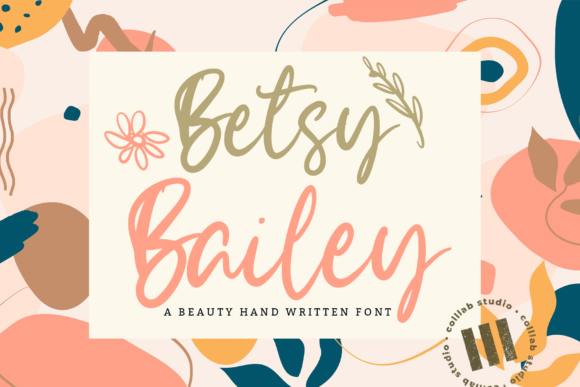
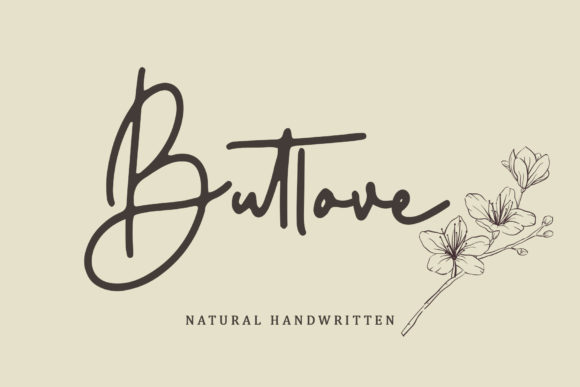
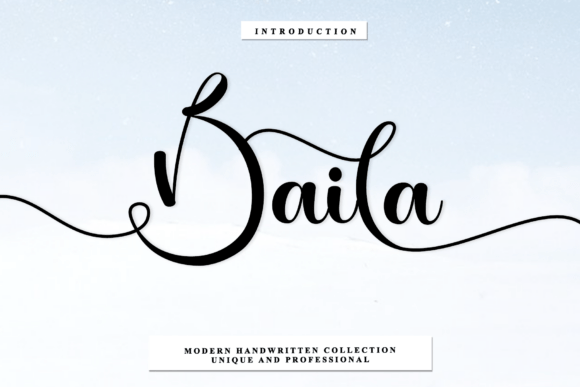
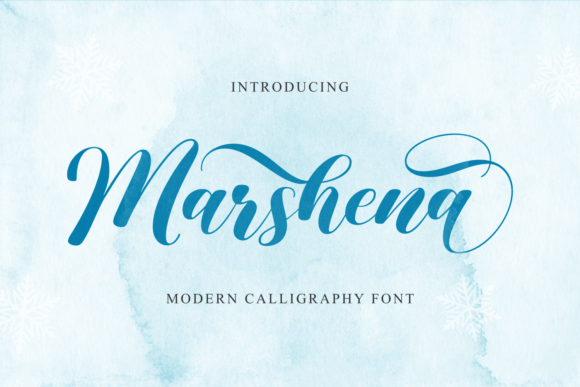
Marshena isn’t a frantic, overly casual scrawl. Its design philosophy is one of balanced elegance. Each letterform flows with a natural, connected rhythm that feels genuinely handwritten, yet it maintains a remarkable consistency and legibility. The strokes have a pleasant weight, offering enough contrast to be interesting but remaining smooth and approachable. You’ll notice subtle, graceful curves and gentle loops that give it a feminine and sophisticated personality. This isn’t a typeface that shouts; it speaks with a confident, clear, and inviting voice. Its style bridges the gap between a formal script and a relaxed handwritten note, making it incredibly adaptable. It’s a premium font in the sense of its careful construction and thoughtful aesthetic, designed to elevate projects rather than merely decorate them.
Where Marshena Truly Shines: Practical Applications
The true test of any design asset is its real-world performance. Marshena excels across a surprisingly broad range of applications, thanks to its balanced nature. Its sweet elegance makes it a natural fit for personal celebrations—think wedding invitations, save-the-date cards, birthday party stationery, and heartfelt thank you notes. Here, it adds a layer of personal touch that printed text simply cannot achieve.
But its utility extends far beyond personal projects. For small business owners and entrepreneurs, Marshena becomes a powerful tool for building a recognizable brand identity. Consider its use in logo design for boutique brands, wedding planners, artisanal bakeries, or lifestyle coaches. It immediately communicates approachability, care, and a personalized service. In packaging design, it can adorn labels for handmade soaps, gourmet foods, or specialty candles, signaling quality and craftsmanship. For marketers and content creators, it’s invaluable for social media graphics, creating eye-catching quotes, story highlights, and promotional posts that feel authentic and engaging. It can even find a place in editorial design, used for pull quotes, chapter headings in certain genres, or magazine features that aim for a personal, story-driven tone.
Integrating Marshena into Your Design Workflow
Choosing a font is just the first step. Using it effectively is what makes the difference. When you introduce Marshena into your project, think about its role in your visual hierarchy. It’s a display font at heart, meaning it’s most impactful for headlines, titles, and short bursts of text where its personality can be fully appreciated. For body text, you’ll want to pair it with a highly readable serif font or sans serif font. A clean, geometric sans serif can create a beautiful modern contrast, while a classic serif can lean into a more traditional, elegant feel. This practice of font pairing is essential for creating designs that are both beautiful and functional.
Always test your chosen font pairings in context. Type out the actual words you’ll be using. Does the combination feel harmonious? Is there enough contrast in weight and style to guide the reader’s eye? Pay close attention to kerning and spacing, especially in longer words. While Marshena is designed for clarity, its connected style means you need to ensure that letters don’t visually collide in a way that hinders reading at smaller sizes. For web design, consider using it for key elements like a homepage hero banner, a contact form header, or a special announcement, while reserving your primary web fonts for paragraphs.
Before committing to a project, review the full character set and any included styles. Does it have the ligatures or alternate characters you need? Does it support the necessary language characters? And crucially, for any commercial use—from a client project to selling merchandise—you must verify the font’s licensing. A commercial font license is a legal necessity that protects both you and the font creator, ensuring you have the right to use the work in your intended context, whether it’s for digital products, printed goods, or client branding.
In the end, Marshena is more than just a collection of letters. It’s a design partner that brings a consistent sense of sweet elegance to your work. By understanding its personality, testing its applications, and thoughtfully integrating it with other typography, you can leverage its strengths to create more compelling, professional, and emotionally resonant projects that truly connect with your audience.